




















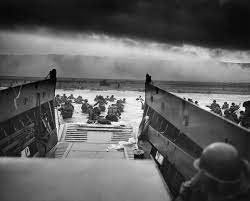


By: Robert F. Sargent
This iconic photo was taken on June 6, 1944, by chief photographer's mate Robert F. Sargent. It shows the soldiers of the U.S. Army's 1st Infantry Division as they disembark from an LCVP personnel carrier. The company originated from the USS Samuel Chase at Omaha Beach.

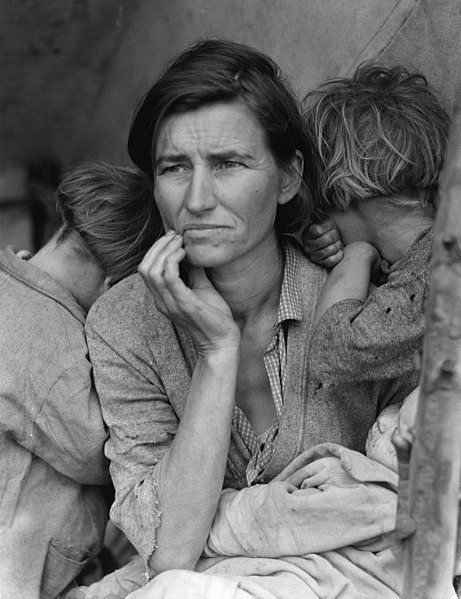


By:Dorothea Lange
Lange's 1936 photograph taken in Nipomo, California, captures the essence of the great depression like no other photo has. Currently, an original print resides in the New York Museum of modern Art.

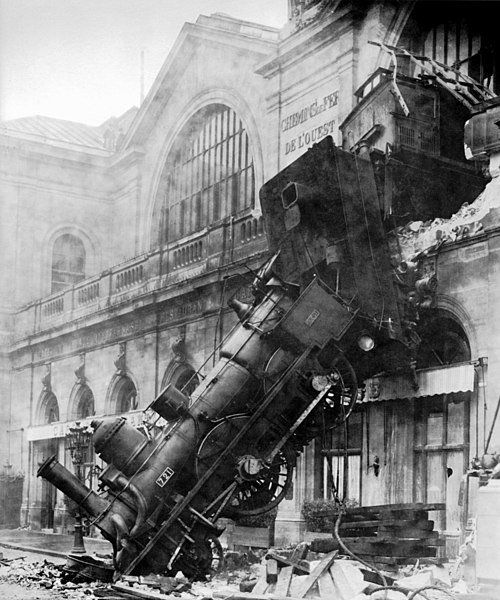


By: Studio Lévy
Undoubtedly one of the most famous photos in transportation history, this picture shows the aftermath of the derailment of an 1895 French locomotive. Dozens of photos were taken at the scene, as it took multiple days to move the hulking machine. However, the Levey & Sons picture is the most recognized.
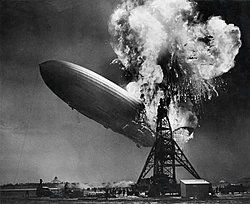


By: Sam Shere
The multiple photos and newsreels of the Hindenburg disaster on May 6, 1937 are instantly recognizable. In all, 35 souls were taken in this tragic accident which effectively ended the age of the airship.

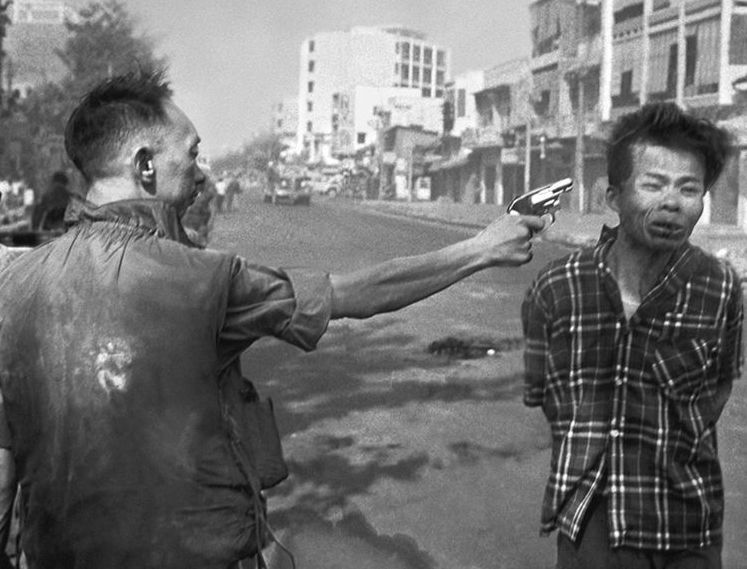



By: Eddie Adams
Despite the fact that before hand Nguyễn Văn Lém brutally murdered
Lt. Col. Nguyen Tuan, his wife, his six children and his 80 year old mother, the AP photograph that won the 1969 Pulitzer Prize for Spot News
Photography
horrified a war weary American public and along with other issues helped turn the tide of public sediment against involvement in Vietnam.
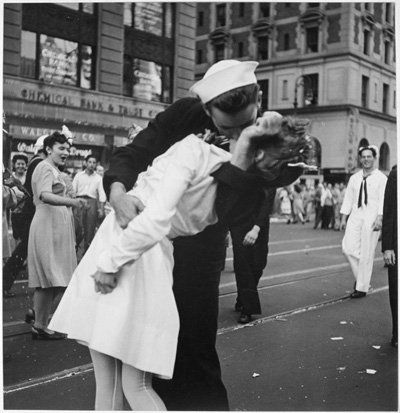


By: Victor Jorgensen
Perhaps the most memorable and iconic image of the war, this photo may not actually be the picture you think it is. If you have never been introduced to the long history of this photo, we assure you that it is worth the intellectual investment. It entails forensic identification, imposture profiteering, two near identical photographs, copyright claims and years of searching. While the photo is controversial today, for millions across the globe it once symbolized the end of a long, bloody war.
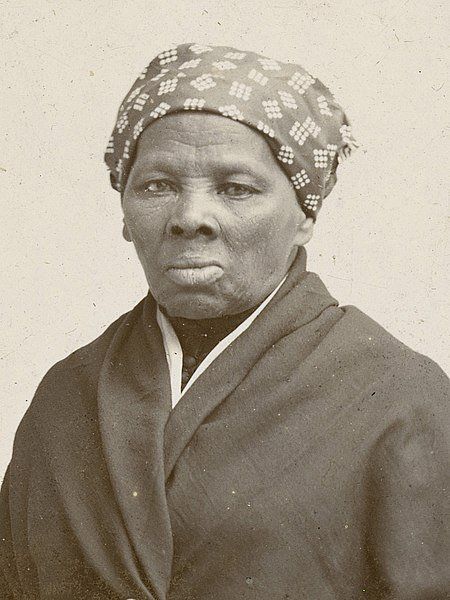


By: Horatio Seymour Squyer
Courageous, influential and diligent. These are just a few words that describe American Icon Harriet Tubman. Frankly, a case can be made for her as one of the most influential individuals in American History. If you ever have a chance, add a mobile tour of the Underground railroad route to your bucket list.
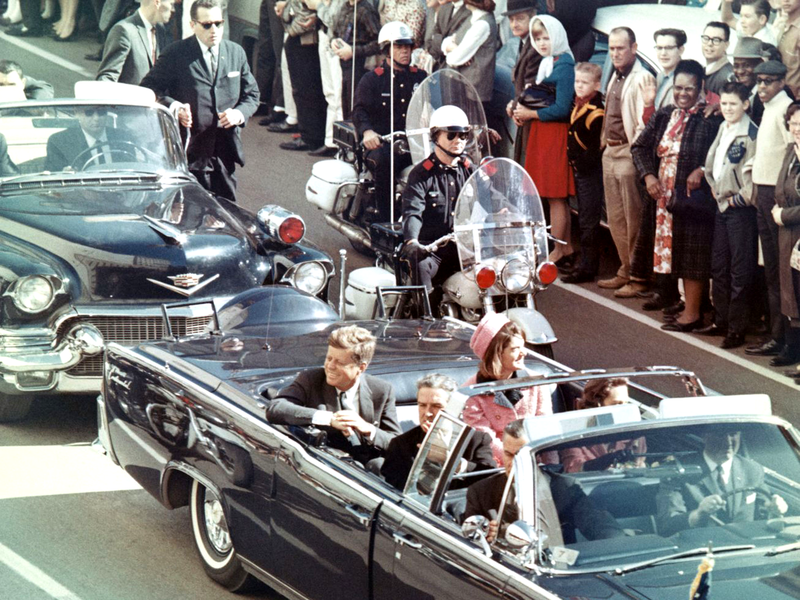


By: Walt Cisco
Moments before an assassins' bullet forever changed world history, this photo was taken of the President and Mrs. Kennedy riding topless. To many, the photo represents the last fleeting moments before America descended into one of her darkest periods.
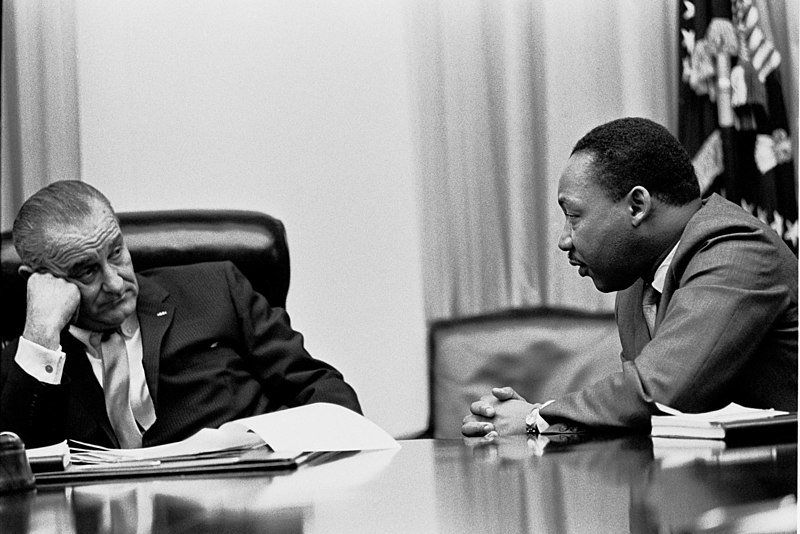

By: Yoichi Okamoto
On March 18th, 1966 the greatest civil rights leader of our time met with President Johnson in the White House Cabinet Room. Both men listen intently in this award winning photo.
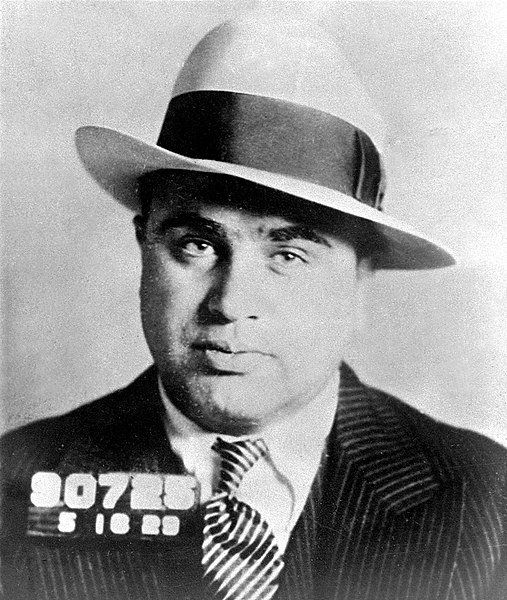

By: Philadelphia P.D.
There is not much to say about evil incarnate. Before Capone terrorized Chicago as a murderous, sociopathic P.O.S., he did the same in the city of brotherly love. He died at only 48, unfortunately not young enough.
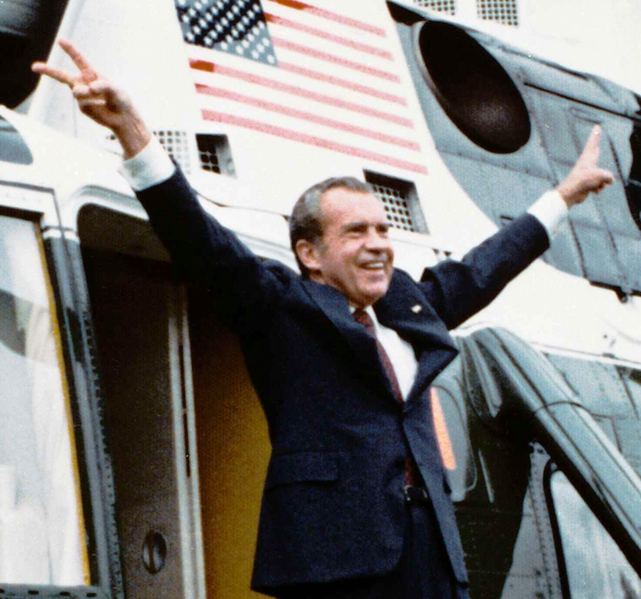

By: Oliver F. Atkins
The image of President Nixon flashing the victory gesture while departing the White House on Marine One August 9, 1974 became newsprint fodder for decades.
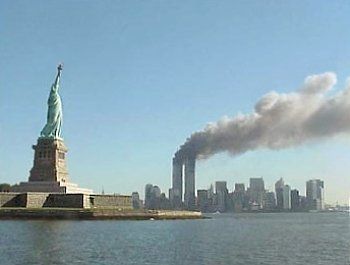

By: National Park Service
This photo of Lady liberty with the Twin Towers burning shortly before they collapsed in the background on September 11, 2001 was circulated widely around the world. It was taken by an employee of the US National Park Service.
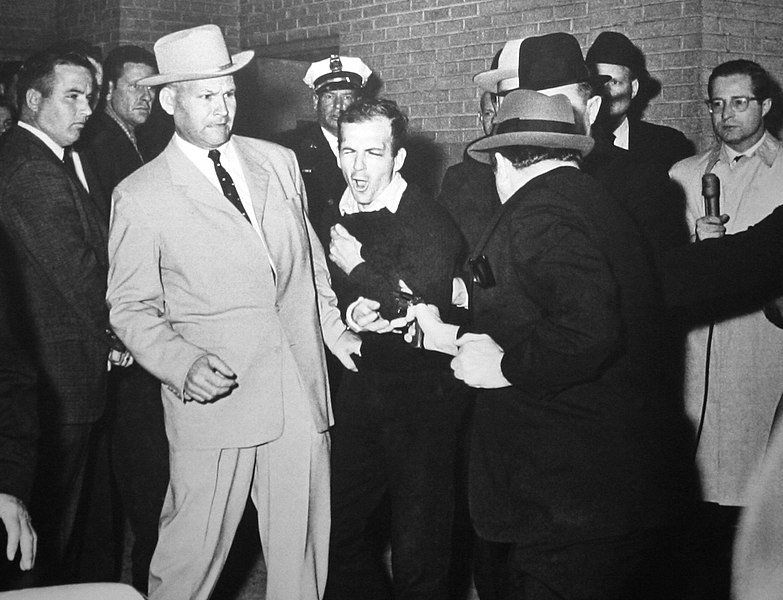


Jackson's Pulitzer Prize winning Photograph while working for the Dallas Times Herald stunned a nation already wounded by the assassination of JFK just two days prior, and marked the end of an American era.



By: Unidentified photographer
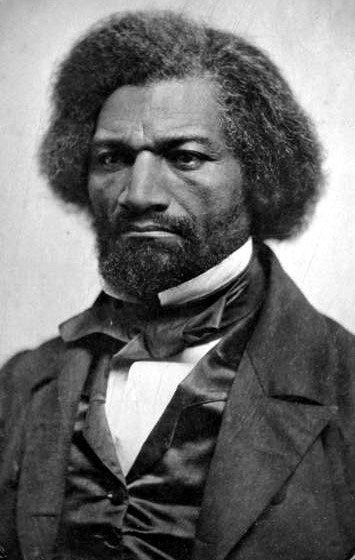
Possibly the most recognizable image of the 19th century mental juggernaut Frederick Douglass, this photo is of unknown origin. It is an ambrotype style glass photo and is currently located at the National Portrait Gallery in the Smithsonian Institution.


By: U.S. Government
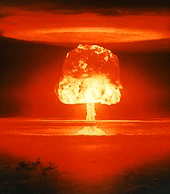
The March 26th 1954 detonation of Castle Romeo shrunk the planet in an instant. Prior, the logistics of nuclear annihilation was utterly impractical. However, considering that at over 500 times more powerful than both "Little Boy" & "Fat Man" combined plus the fact that it was the first aircraft deployable mass produced thermonuclear device, humanity could now very plausibly destroy itself. In a twistedly terrifying version of Moore's Law, The TX-17 Device was already obsolete and out of service by 1957.


By: Negative: Timothy H. O'Sullivan
Positive: Alexander Gardner
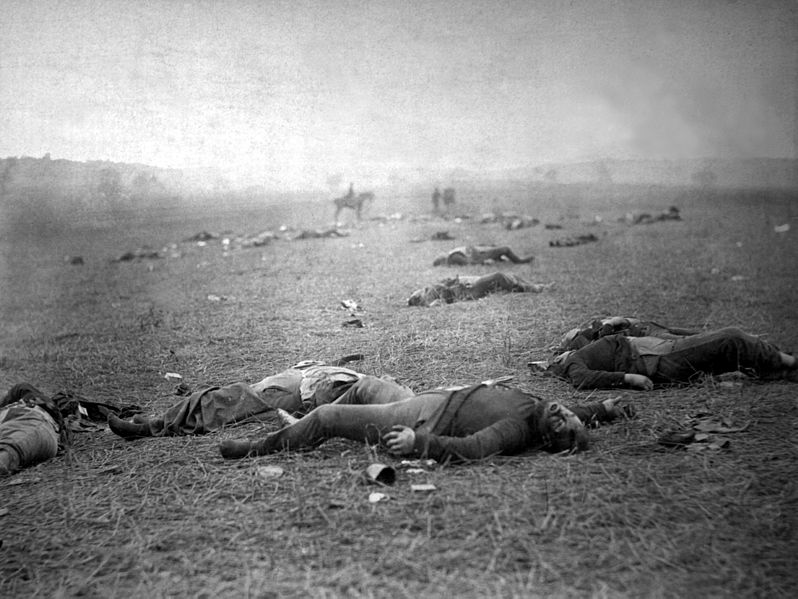
Much like the Crimean War a decade earlier, the American Civil War saw gore and slaughter of a magnitude never before seen in warfare thanks to the clash of new battlefield technology mixed with a general lack of experience and modern warfare tactics. This photo captures the horrible aftermath of the Battle of Gettysburg.
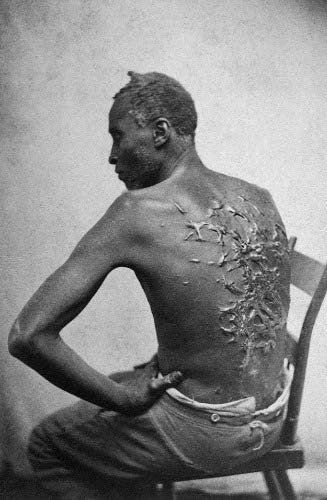


The specter of chattel slavery haunts humanity to this very day. This image of the escaped slave sometimes referred to as "Whipped Peter" is a documentation of the shear brutality that frequently accompanies human history. Gordon or Peter used onions to rub on himself, masking body scent from the bloodhounds on the 10 day escape route towards union soldiers.
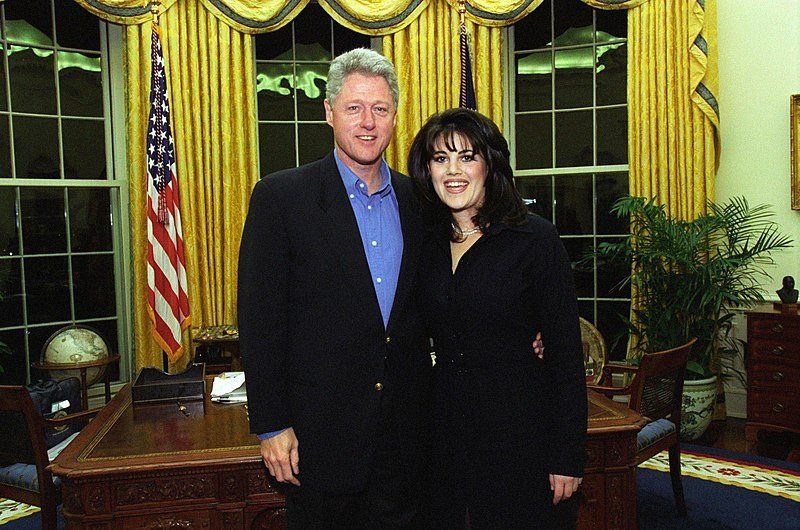

By: White House
In this February 1997 photo, a serial rapist poses with a 24 year old subordinate. It was later revealed that the President lied under oath about yet another extra marital affair, this time with said subordinate. Naturally, a Bill & Hillary infatuated American public blamed the 24 year old and drove her into seclusion.
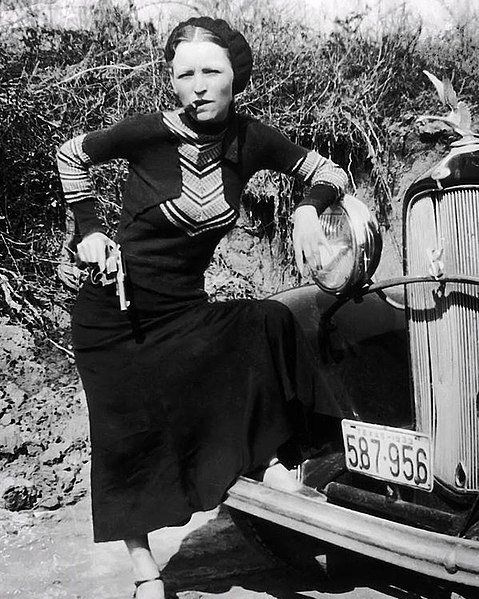


The cruelty and deviance of Bonnie Parker is truly hard to belive. In all likelihood, this is a set up photo shoot as bonnie never smoked cigars and also had a penchant for glamorizing the Barrow Gang's evil deeds. It is well speculated that she intentionally left behind the undeveloped roll of film for the police to find and publicize. In a case of clear poetic justice, the pair of evil doers were finally stopped by law enforcement on May 23rd, 1934.
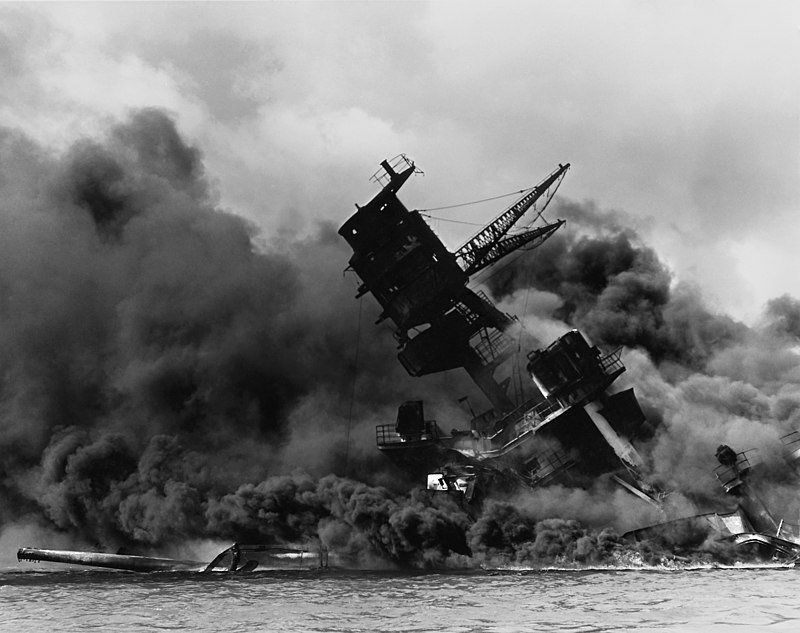


By: Unidentified photographer
The U.S.S. Arizona, now a floating memorial to the souls lost during the attack on Pearl Harbor, was photographed shortly after her magazine exploded. The blast killed 1,177 crewmen and accounted for nearly half of all the lives lost during the Japanese surprise attack.
By: Robert F. Sargent
This iconic photo was taken on June 6, 1944, by chief photographer's mate Robert F. Sargent. It shows the soldiers of the U.S. Army's 1st Infantry Division as they disembark from an LCVP personnel carrier. The company originated from the USS Samuel Chase at Omaha Beach.
By:Dorothea Lange
Lange's 1936 photograph taken in Nipomo, California, captures the essence of the great depression like no other photo has. Currently, an original print resides in the New York Museum of modern Art.
By: Studio Lévy
Undoubtedly one of the most famous photos in transportation history, this picture shows the aftermath of the derailment of an 1895 French locomotive. Dozens of photos were taken at the scene, as it took multiple days to move the hulking machine. However, the Levey & Sons picture is the most recognized.
By: Sam Shere
The multiple photos and newsreels of the Hindenburg disaster on May 6, 1937 are instantly recognizable. In all, 35 souls were taken in this tragic accident which effectively ended the age of the airship.
By: Eddie Adams
Despite the fact that before hand Nguyễn Văn Lém brutally murdered
Lt. Col. Nguyen Tuan, his wife, his six children and his 80 year old mother, the AP photograph that won the 1969 Pulitzer Prize for Spot News
Photography
horrified a war weary American public and along with other issues helped turn the tide of public sediment against involvement in Vietnam.
By: Victor Jorgensen
Perhaps the most memorable and iconic image of the war, this photo may not actually be the picture you think it is. If you have never been introduced to the long history of this photo, we assure you that it is worth the intellectual investment. It entails forensic identification, imposture profiteering, two near identical photographs, copyright claims and years of searching. While the photo is controversial today, for millions across the globe it once symbolized the end of a long, bloody war.
By: Horatio Seymour Squyer
Courageous, influential and diligent. These are just a few words that describe American Icon Harriet Tubman. Frankly, a case can be made for her as one of the most influential individuals in American History. If you ever have a chance, add a mobile tour of the Underground railroad route to your bucket list.
By: Walt Cisco
Moments before an assassins' bullet forever changed world history, this photo was taken of the President and Mrs. Kennedy riding topless. To many, the photo represents the last fleeting moments before America descended into one of her darkest periods.
By: Yoichi Okamoto
On March 18th, 1966 the greatest civil rights leader of our time met with President Johnson in the White House Cabinet Room. Both men listen intently in this award winning photo.
By: Philadelphia P.D.
There is not much to say about evil incarnate. Before Capone terrorized Chicago as a murderous, sociopathic P.O.S., he did the same in the city of brotherly love. He died at only 48, unfortunately not young enough.
By: Oliver F. Atkins
The image of President Nixon flashing the victory gesture while departing the White House on Marine One August 9, 1974 became newsprint fodder for decades.
By: National Park Service
This photo of Lady liberty with the Twin Towers burning shortly before they collapsed in the background on September 11, 2001 was circulated widely around the world. It was taken by an employee of the US National Park Service.
Jackson's Pulitzer Prize winning Photograph while working for the Dallas Times Herald stunned a nation already wounded by the assassination of JFK just two days prior, and marked the end of an American era.
By: Unidentified photographer
Possibly the most recognizable image of the 19th century mental juggernaut Frederick Douglass, this photo is of unknown origin. It is an ambrotype style glass photo and is currently located at the National Portrait Gallery in the Smithsonian Institution.
By: U.S. Government
The March 26th 1954 detonation of Castle Romeo shrunk the planet in an instant. Prior, the logistics of nuclear annihilation was utterly impractical. However, considering that at over 500 times more powerful than both "Little Boy" & "Fat Man" combined plus the fact that it was the first aircraft deployable mass produced thermonuclear device, humanity could now very plausibly destroy itself. In a twistedly terrifying version of Moore's Law, The TX-17 Device was already obsolete and out of service by 1957.
By: Negative: Timothy H. O'Sullivan
Positive: Alexander Gardner
Much like the Crimean War a decade earlier, the American Civil War saw gore and slaughter of a magnitude never before seen in warfare thanks to the clash of new battlefield technology mixed with a general lack of experience and modern warfare tactics. This photo captures the horrible aftermath of the Battle of Gettysburg.
The specter of chattel slavery haunts humanity to this very day. This image of the escaped slave sometimes referred to as "Whipped Peter" is a documentation of the shear brutality that frequently accompanies human history. Gordon or Peter used onions to rub on himself, masking body scent from the bloodhounds on the 10 day escape route towards union soldiers.
By: White House
In this February 1997 photo, a serial rapist poses with a 24 year old subordinate. It was later revealed that the President lied under oath about yet another extra marital affair, this time with said subordinate. Naturally, a Bill & Hillary infatuated American public blamed the 24 year old and drove her into seclusion.

The cruelty and deviance of Bonnie Parker is truly hard to belive. In all likelihood, this is a set up photo shoot as bonnie never smoked cigars and also had a penchant for glamorizing the Barrow Gang's evil deeds. It is well speculated that she intentionally left behind the undeveloped roll of film for the police to find and publicize. In a case of clear poetic justice, the pair of evil doers were finally stopped by law enforcement on May 23rd, 1934.
By: Unidentified photographer
The U.S.S. Arizona, now a floating memorial to the souls lost during the attack on Pearl Harbor, was photographed shortly after her magazine exploded. The blast killed 1,177 crewmen and accounted for nearly half of all the lives lost during the Japanese surprise attack.