



















Elvis Meets Nixon
By: Ollie Atkins
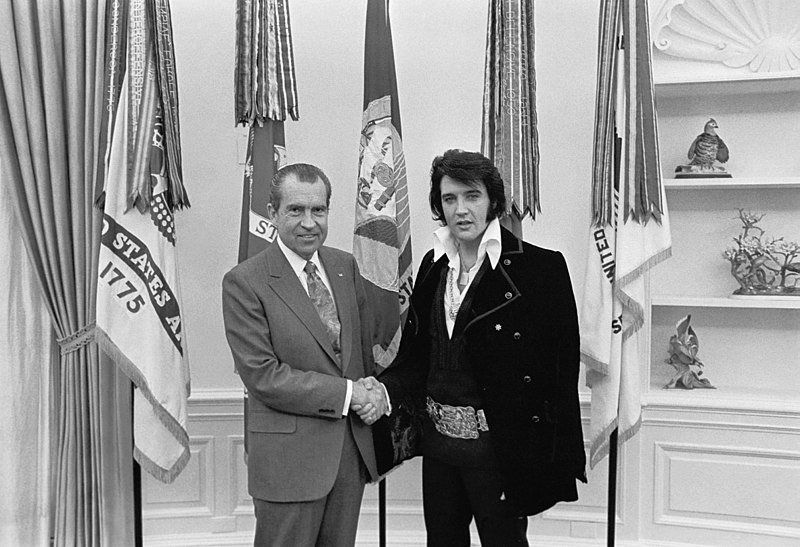
On December 21, 1970, Elvis was most certainly in the building as he met with President Nixon in the Oval Office. Elvis, still influential half a century later, was a real big deal in those days. So much so that his name precedes that of the 37th President of the United States in title of the picture.

Atomic Bombing of Nagasaki
By: Charles Levy
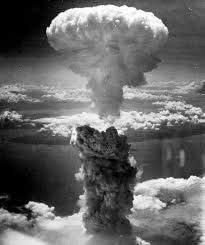
Almost exclusively mistaken as the mushroom cloud from Little Boy, the atom bomb dropped on Hiroshima, this photograph is among the most misidentified photos in world history. Even prior to takeoff, the mission to drop Fat Man over Nagasaki was harrowing to say the least. Some pre-flight complications included a bad weather forecast that forced the mission forward by two full days and a failed fuel pump which negated the use of nearly 700 gallons of gas (it's extra weight further exacerbating fuel consumption). Once the crew was airborne, the troubles did not cease. Enemy fighters, one of the group's aircraft flying off course and out of formation plus incremental cloud cover that forced the flight crew to divert towards their secondary target of Nagasaki were just a portion of the issues plaguing the nearly doomed mission. Oh, it is probably very important to mention that except for the electrical plugs, the atomic bomb was already armed before take off. Still feel brave?

A@#holes
By: Alberto Korda
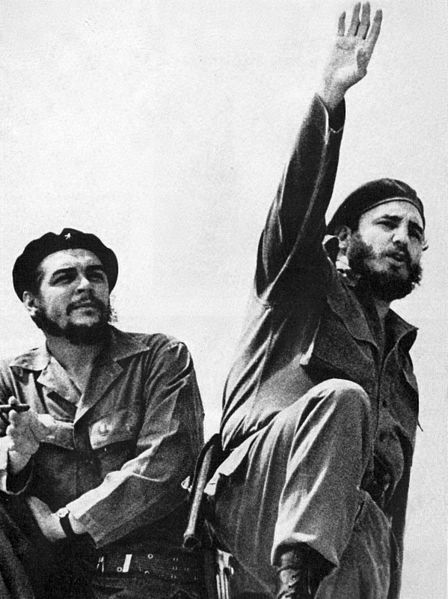
Two murderous dictators. But at least the Cuban people could read.

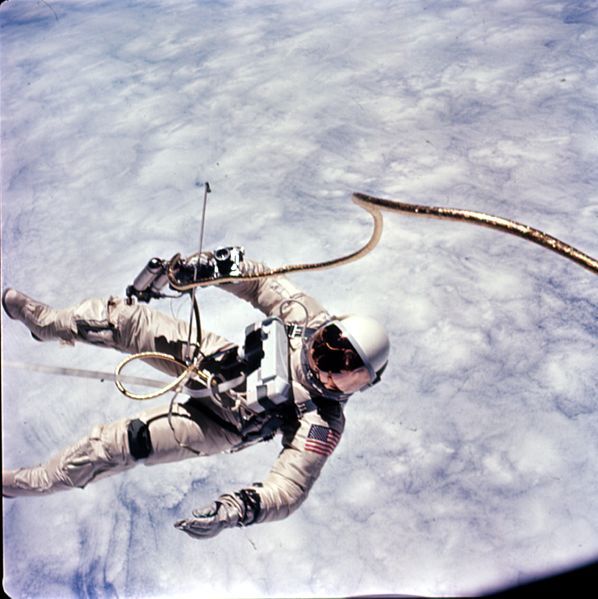
Space Walk
By: James McDivitt
Much like how the Korean War seems to be a forgotten war, the Gemini Missions are a seemingly forgotten space program in the annuls of history. Yet, they accomplished so much and advanced the U.S. Space Program into it's next phase of exploration: the Apollo Missions. They also produced one of the most iconic images of early space exploration in this image of American Astronaut Edward H. White II during the first U.S. spacewalk.



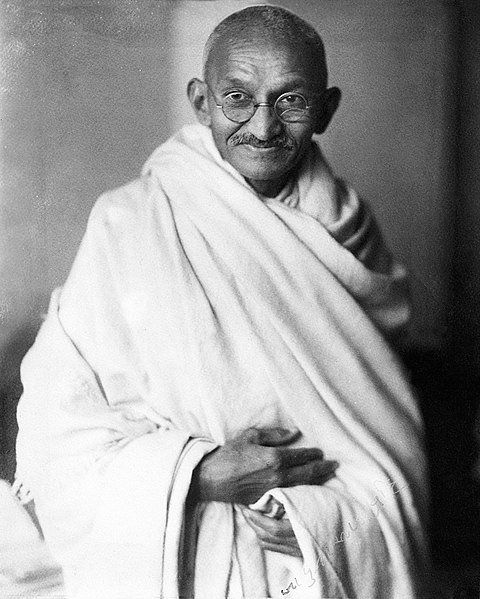
Mahatma-Gandhi, studio, 1931
By: Elliott & Fry
Mohandas Karamchand Gandhi is widely considered a man focused on peace for his various methods of
nonviolent resistance
opposing British colonialism in India. However, it may come as a surprise to some that once upon at time he wrote that military service
would provide "health and happiness."
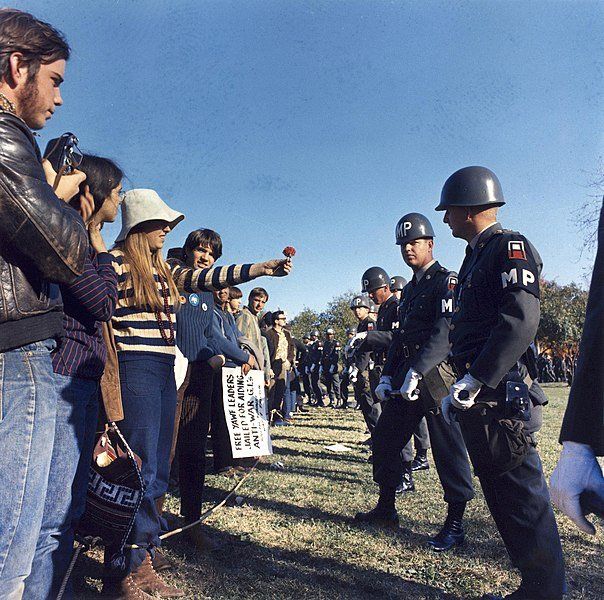
Flower Power
The Vietnam War era was a very difficult, turbulent and divisive time for the United States. Tensions ran higher than at any other time since the Civil War. In this very well known photo from the 1967 March on the Pentagon by NMCEWV (National Mobilization Committee to End the War in Vietnam) an anti-war protestor offers a flower to a group Military Police officers.
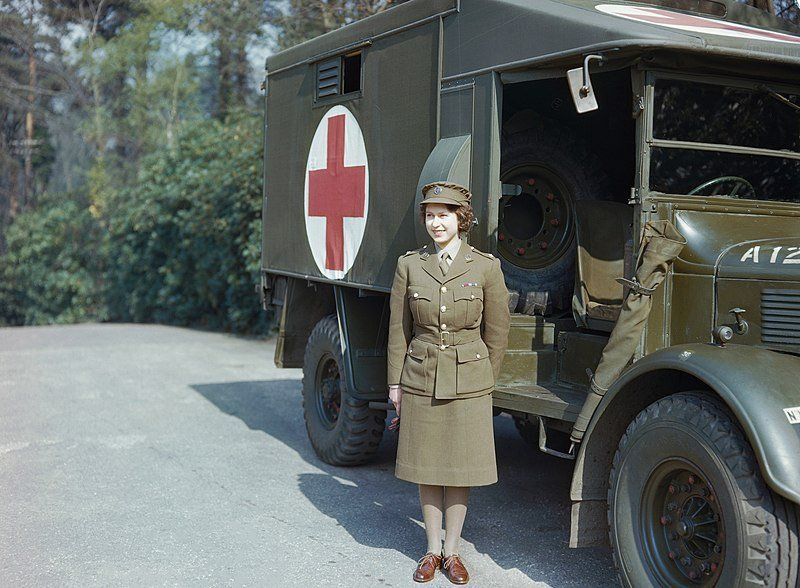
By: Ministry of Information photographer
Queen Elizabeth II of the United Kingdom, then Princess Elizabeth, is depicted in this world famous photo during her service in WWII as a member of the British Auxiliary Territorial Service. At the time of the photo, Elizabeth was about 19 and her service number was 230873.

Rosa Parks
By: Ebony Magazine
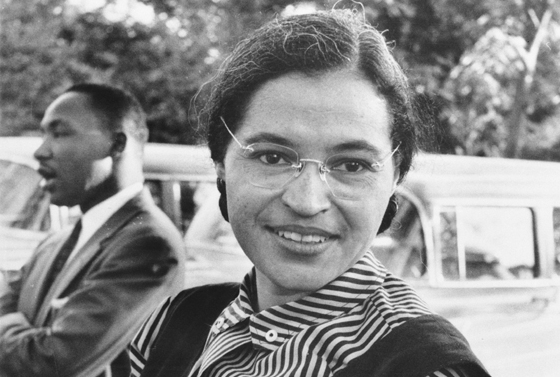
She may not have been the first, but Rosa Parks was certainly the most pivotal of the courageous individuals who defied generationally oppressive Jim Crow laws and well, thankfully we all know the rest of story by now. Of James F. Blake, the bus driver who ordered Ms. Parks and three others to the back of the bus, she said "I'm sure his family will miss him." regarding his death in 2002. Note that in the background of the image Martin Luther King, Jr. can be seen.

Big Three
By: War Office photographer
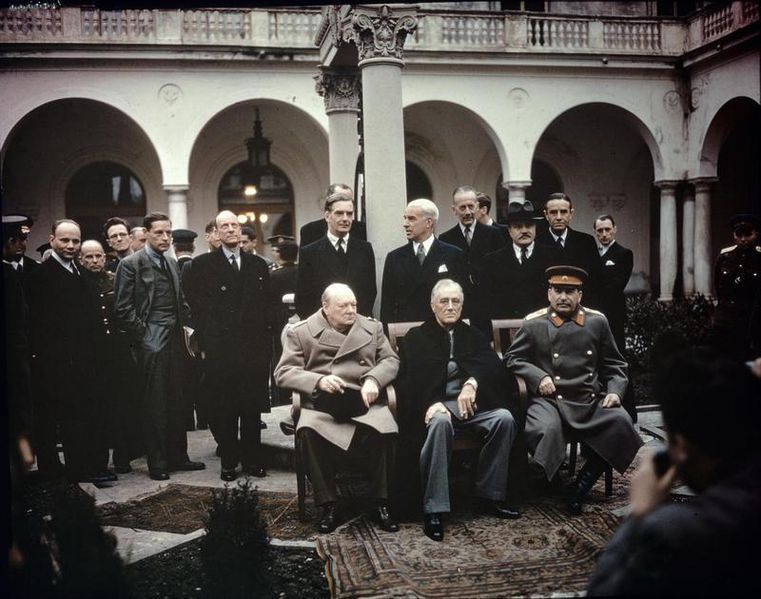
Like a huge, juicy, delicious resource rich pie, the world was divided up into three slices by Roosevelt, Churchill and Stalin at the 8 day Yalta Conference. The original photo is a Kodak Kodachrome photograph, therefore it was B&W rather than in color.
The Bambino
By: Seattle Post- Intelligencer
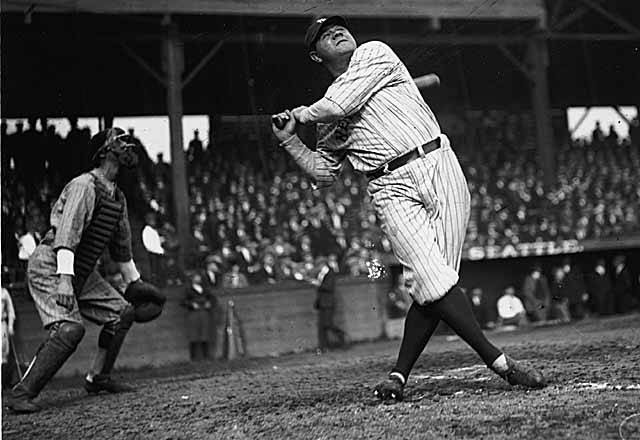
"Babe" Ruth was the most popular baseball player of his day. Modesty was the policy for most athletes of the era. That is Until Ruth arrived in full swing & swagger, and an eager public ate him up. Upon his retirement, Ruth more than doubled the previous career home run record.

First Flight
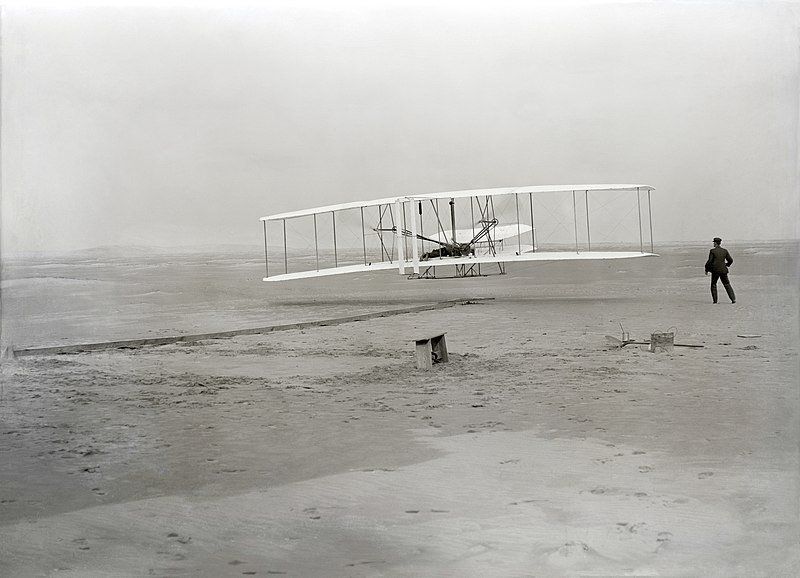
On December 17, 1903, a new age for mankind was born: the age of the aircraft. Orville Wright, supported by his brother Wilbur on the ground, piloted the first controlled airplane flight in history. The key to the brother's success was their ingenious development of a three-axis control system which allowed a pilot to control the pitch, roll and yaw of an aircraft.
Ronny and Gorby
By: White House
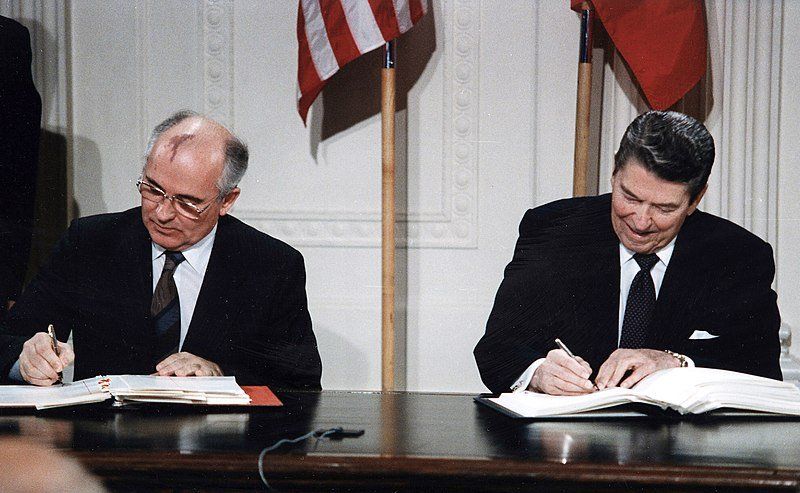
President Ronald Reagan and General Secretary Mikhail Gorbachev sign the historic Intermediate-Range Nuclear Forces Treaty at the White House. Interestingly, the formal title for the treaty is 'Treaty Between the United States of America and the Union of Soviet Socialist Republics on the Elimination of Their Intermediate-Range and Shorter-Range Missiles'.
First Image of Earth From Space
By: V2 Rocket
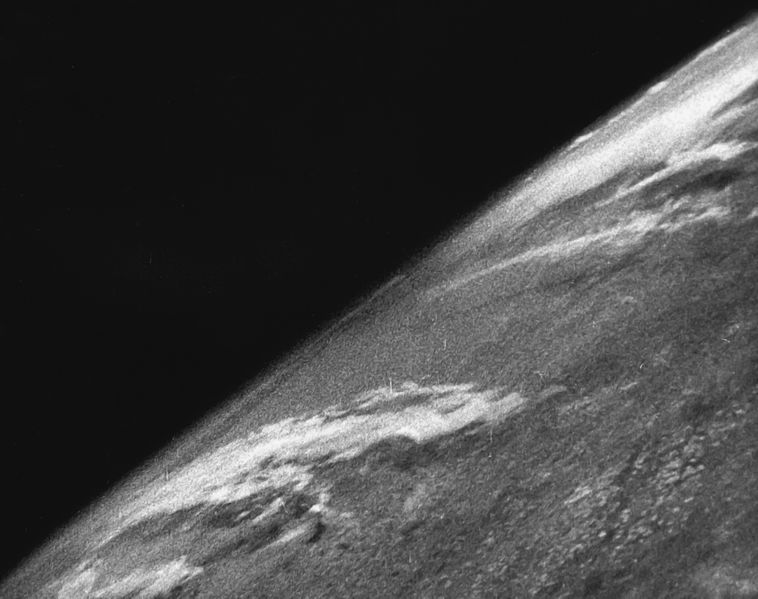
After the Second World War, many of the allied nations had, shall we say, questionable access to much of the Axis' war time technology. Hence, on October 24, 1946, the U.S. launched a captured V2 rocket into sub-orbit space. The merger of these technologies produced this, the first depiction of the earth from space. The result was a photo that proves just how small we really are.

Marilyn Monroe
By: Corpus Christi Caller-Times
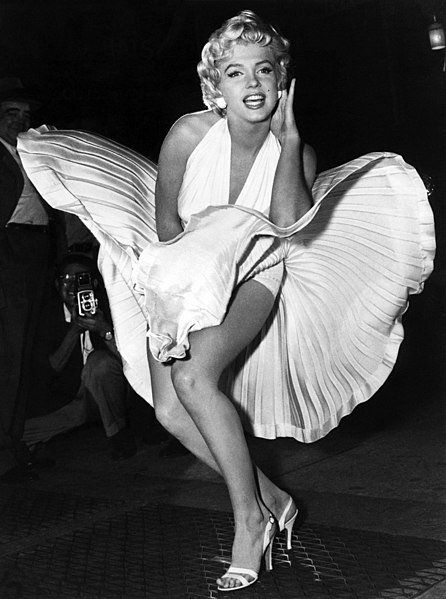
Marilyn Monroe has been called "the ultimate sex symbol" by more than just fans of the iconic platinum bombshell. Her likeness is still heavily influential today. During filming of The Seven Year Itch Monroe posed for photographers in her famous "blown up skirt" scene, including this photo.
Jackie Robinson
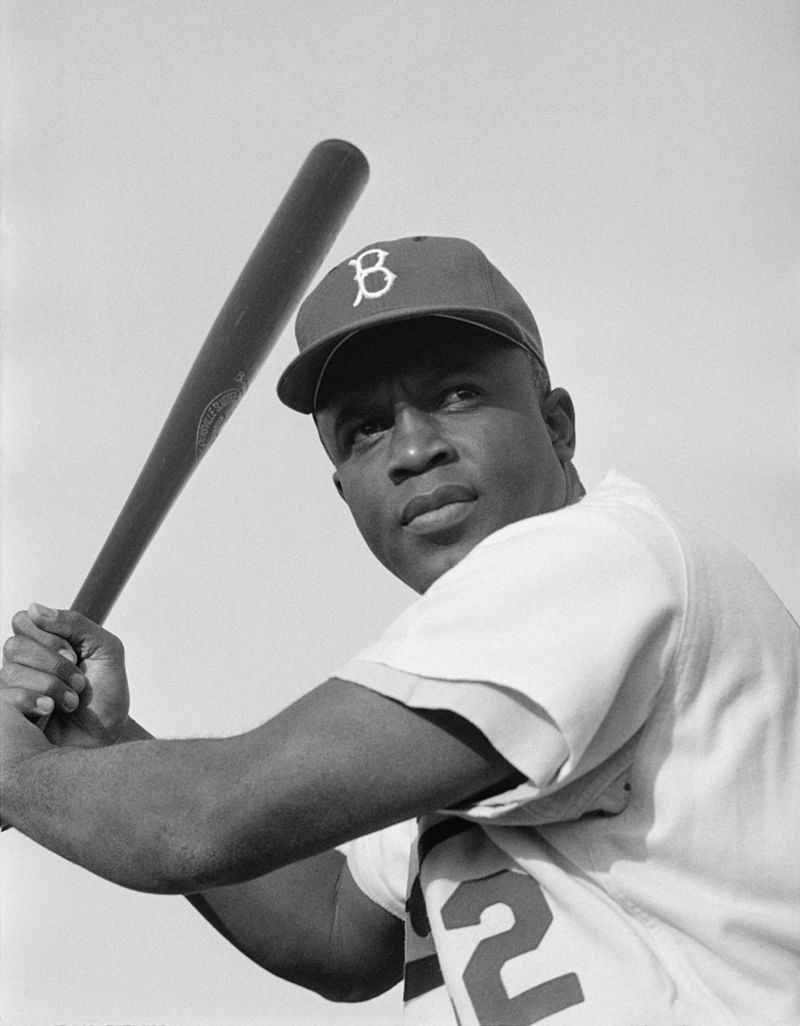
Jackie Robinson broke the 70 year old color barrier in major League Baseball. He did it with class, dignity and tremendous poise. Today, most fittingly, the Rookie of the Year Award dons his name in tribute to perhaps the most tumultuously difficult rookie season in baseball history. In 1962, he was inducted into the Baseball Hall of Fame.
Beatlemaina Arrives
By: United Press International
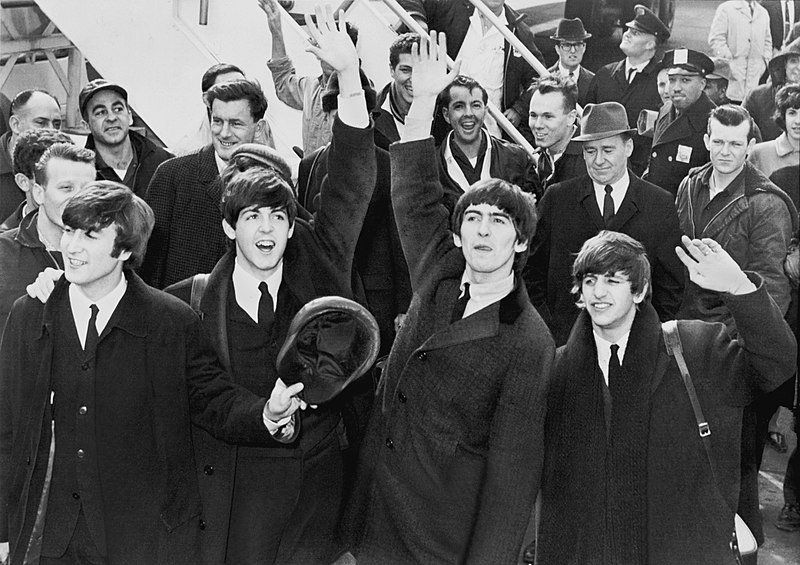
Beatlemania, the most powerful pop music force to ever sweep the world is shown arriving at John F. Kennedy International Airport on February 7th, 1964. The Fab Four was greeted by over 3000 screaming fans and performed for 73 million viewers on The Ed Sullivan Show just two days later, receiving an unheard of for the time 45.3 rating and 60 share.
Billy the Kid
By: Ben Wittick
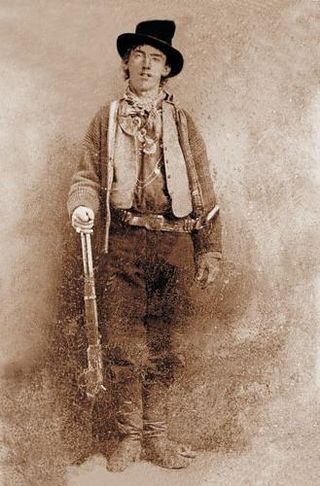
Born Henry McCarty, the outlaw later known as Billy the Kid murdered at least eight individuals in his short 21 years. He started at age 16, and never quite seemed to be able to stay out of the right side of the law. For what ever reason he has been romanticized, despite being a ruthless thief and murderer.

Thích Quảng Đức self-immolation
By: Malcolm Browne
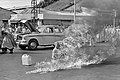
When News reporters were informed that on the morning of June 11th, 1963 "something important" was going to happen outside of the Cambodian embassy in Saigon, they had no idea what they would witness. Thích Quảng Đức', a Buddhist Monk, would self-immolate that day, and in doing s would also sear the image of his burning body into the consciousness of the world. Browne would win both the 1963 World Press Photo of the Year and the 1964 Pulitzer Prize.
Dewey Defeats Truman
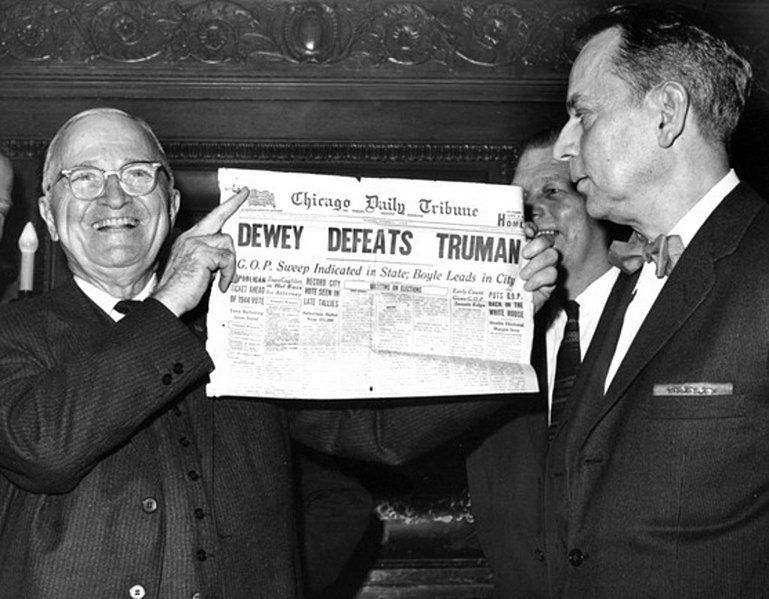
This famous photo of President Truman holding up the November 3rd, 1948 edition of the Chicago Daily Tribune with an erroneous headline was actually taken in St. Louis, not D.C. Ironically, the newspaper now known just as the Chicago Tribune had previously branded then candidate Truman with the insult "nincompoop".

Nsala of Wala
By: Alice Seeley Harris
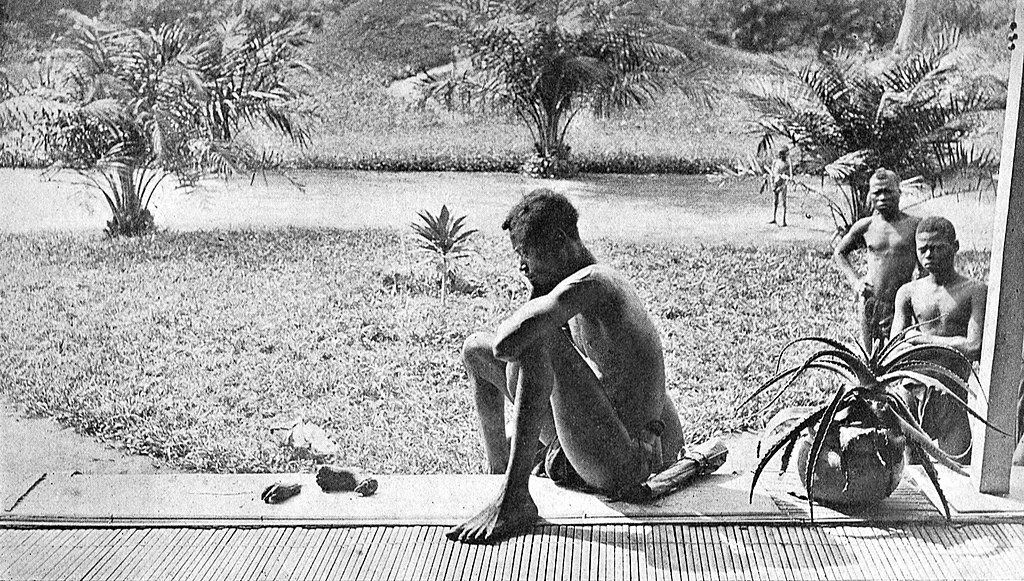
The atrocities depicted in this photo are not for the faint of heart and are a stark reminder of the brutality of European Colonialism. Nsala stares in despair at the severed limbs of his five year old daughter. His wife and son were also murdered by milita under the employ of ABIR Congo Company. All three were cooked and eaten by the milita, who were a handful of the millions of cannibals that inhabited the region. Reforms finally took place beginning with the appointment of American Richard Dorsey Mohun as director of ABIR by Leopold II.


Elvis Meets Nixon
By: Ollie Atkins
On December 21, 1970, Elvis was most certainly in the building as he met with President Nixon in the Oval Office. Elvis, still influential half a century later, was a real big deal in those days. So much so that his name precedes that of the 37th President of the United States in title of the picture.

Atomic Bombing of Nagasaki
By: Charles Levy
Almost exclusively mistaken as the mushroom cloud from Little Boy, the atom bomb dropped on Hiroshima, this photograph is among the most misidentified photos in world history. Even prior to takeoff, the mission to drop Fat Man over Nagasaki was harrowing to say the least. Some pre-flight complications included a bad weather forecast that forced the mission forward by two full days and a failed fuel pump which negated the use of nearly 700 gallons of gas (it's extra weight further exacerbating fuel consumption). Once the crew was airborne, the troubles did not cease. Enemy fighters, one of the group's aircraft flying off course and out of formation plus incremental cloud cover that forced the flight crew to divert towards their secondary target of Nagasaki were just a portion of the issues plaguing the nearly doomed mission. Oh, it is probably very important to mention that except for the electrical plugs, the atomic bomb was already armed before take off. Still feel brave?
A@#holes
By: Alberto Korda
Two murderous dictators. But at least the Cuban people could read.
Space Walk
By: James McDivitt
Much like how the Korean War seems to be a forgotten war, the Gemini Missions are a seemingly forgotten space program in the annuls of history. Yet, they accomplished so much and advanced the U.S. Space Program into it's next phase of exploration: the Apollo Missions. They also produced one of the most iconic images of early space exploration in this image of American Astronaut Edward H. White II during the first U.S. spacewalk.

Mahatma-Gandhi, studio, 1931
By: Elliott & Fry
Mohandas Karamchand Gandhi is widely considered a man focused on peace for his various methods of
nonviolent resistance
opposing British colonialism in India. However, it may come as a surprise to some that once upon at time he wrote that military service
would provide "health and happiness."
Flower Power
The Vietnam War era was a very difficult, turbulent and divisive time for the United States. Tensions ran higher than at any other time since the Civil War. In this very well known photo from the 1967 March on the Pentagon by NMCEWV (National Mobilization Committee to End the War in Vietnam) an anti-war protestor offers a flower to a group Military Police officers.
By: Ministry of Information photographer
Queen Elizabeth II of the United Kingdom, then Princess Elizabeth, is depicted in this world famous photo during her service in WWII as a member of the British Auxiliary Territorial Service. At the time of the photo, Elizabeth was about 19 and her service number was 230873.
Rosa Parks
By: Ebony Magazine
She may not have been the first, but Rosa Parks was certainly the most pivotal of the courageous individuals who defied generationally oppressive Jim Crow laws and well, thankfully we all know the rest of story by now. Of James F. Blake, the bus driver who ordered Ms. Parks and three others to the back of the bus, she said "I'm sure his family will miss him." regarding his death in 2002. Note that in the background of the image Martin Luther King, Jr. can be seen.
Big Three
By: War Office photographer
Like a huge, juicy, delicious resource rich pie, the world was divided up into three slices by Roosevelt, Churchill and Stalin at the 8 day Yalta Conference. The original photo is a Kodak Kodachrome photograph, therefore it was B&W rather than in color.
The Bambino
By: Seattle Post- Intelligencer
"Babe" Ruth was the most popular baseball player of his day. Modesty was the policy for most athletes of the era. That is Until Ruth arrived in full swing & swagger, and an eager public ate him up. Upon his retirement, Ruth more than doubled the previous career home run record.
First Flight
On December 17, 1903, a new age for mankind was born: the age of the aircraft. Orville Wright, supported by his brother Wilbur on the ground, piloted the first controlled airplane flight in history. The key to the brother's success was their ingenious development of a three-axis control system which allowed a pilot to control the pitch, roll and yaw of an aircraft.
Ronny and Gorby
By: White House
President Ronald Reagan and General Secretary Mikhail Gorbachev sign the historic Intermediate-Range Nuclear Forces Treaty at the White House. Interestingly, the formal title for the treaty is 'Treaty Between the United States of America and the Union of Soviet Socialist Republics on the Elimination of Their Intermediate-Range and Shorter-Range Missiles'.
First Image of Earth From Space
By: V2 Rocket
After the Second World War, many of the allied nations had, shall we say, questionable access to much of the Axis' war time technology. Hence, on October 24, 1946, the U.S. launched a captured V2 rocket into sub-orbit space. The merger of these technologies produced this, the first depiction of the earth from space. The result was a photo that proves just how small we really are.

Marilyn Monroe
By: Corpus Christi Caller-Times
Marilyn Monroe has been called "the ultimate sex symbol" by more than just fans of the iconic platinum bombshell. Her likeness is still heavily influential today. During filming of The Seven Year Itch Monroe posed for photographers in her famous "blown up skirt" scene, including this photo.
Jackie Robinson
Jackie Robinson broke the 70 year old color barrier in major League Baseball. He did it with class, dignity and tremendous poise. Today, most fittingly, the Rookie of the Year Award dons his name in tribute to perhaps the most tumultuously difficult rookie season in baseball history. In 1962, he was inducted into the Baseball Hall of Fame.
Beatlemaina Arrives
By: United Press International
Beatlemania, the most powerful pop music force to ever sweep the world is shown arriving at John F. Kennedy International Airport on February 7th, 1964. The Fab Four was greeted by over 3000 screaming fans and performed for 73 million viewers on The Ed Sullivan Show just two days later, receiving an unheard of for the time 45.3 rating and 60 share.
Billy the Kid
By: Ben Wittick
Born Henry McCarty, the outlaw later known as Billy the Kid murdered at least eight individuals in his short 21 years. He started at age 16, and never quite seemed to be able to stay out of the right side of the law. For what ever reason he has been romanticized, despite being a ruthless thief and murderer.
Thích Quảng Đức self-immolation
By: Malcolm Browne
When News reporters were informed that on the morning of June 11th, 1963 "something important" was going to happen outside of the Cambodian embassy in Saigon, they had no idea what they would witness. Thích Quảng Đức', a Buddhist Monk, would self-immolate that day, and in doing s would also sear the image of his burning body into the consciousness of the world. Browne would win both the 1963 World Press Photo of the Year and the 1964 Pulitzer Prize.
Dewey Defeats Truman
This famous photo of President Truman holding up the November 3rd, 1948 edition of the Chicago Daily Tribune with an erroneous headline was actually taken in St. Louis, not D.C. Ironically, the newspaper now known just as the Chicago Tribune had previously branded then candidate Truman with the insult "nincompoop".
Nsala of Wala
By: Alice Seeley Harris
The atrocities depicted in this photo are not for the faint of heart and are a stark reminder of the brutality of European Colonialism. Nsala stares in despair at the severed limbs of his five year old daughter. His wife and son were also murdered by milita under the employ of ABIR Congo Company. All three were cooked and eaten by the milita, who were a handful of the millions of cannibals that inhabited the region. Reforms finally took place beginning with the appointment of American Richard Dorsey Mohun as director of ABIR by Leopold II.